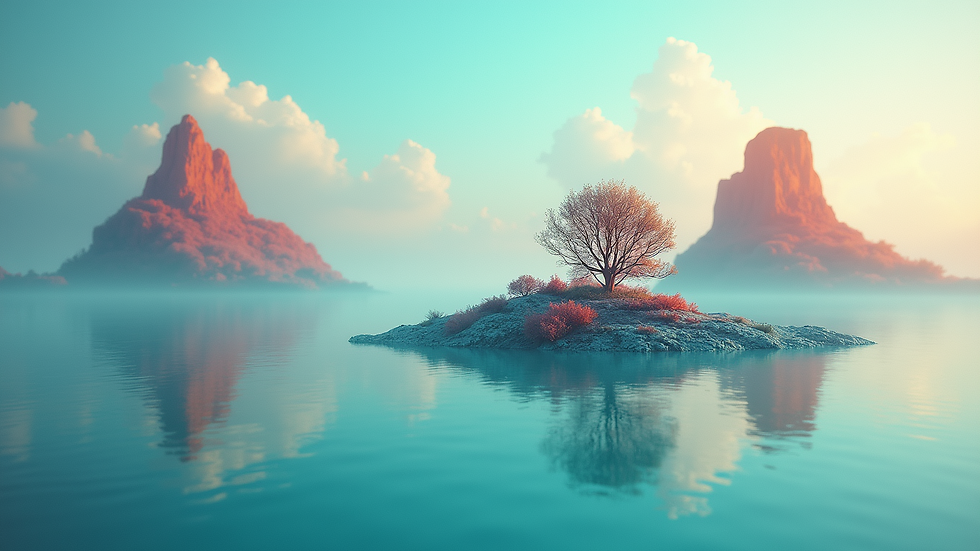
Dreamy Elegance: Digital Artwork Collection Highlights

In a world where creativity knows no bounds, digital artwork has emerged as a captivating medium that blends technology with imagination. Artists are pushing the limits of what is possible, creating stunning pieces that evoke emotion and inspire wonder. This blog post will take you on a journey through some of the most enchanting digital artwork collections, showcasing the talent and vision of contemporary artists.
Digital art is not just a trend; it is a movement that reflects our times. With the rise of technology, artists have found new ways to express themselves. From vibrant illustrations to surreal landscapes, the possibilities are endless. In this post, we will explore various collections that embody dreamy elegance, highlighting the unique styles and themes that make them stand out.
The Allure of Surrealism
Surrealism has always captivated audiences with its dreamlike quality. Digital artists have embraced this style, creating pieces that transport viewers to otherworldly realms.
One notable collection is by artist John Doe, who uses vibrant colors and whimsical imagery to create surreal landscapes. His work often features floating islands, oversized flowers, and fantastical creatures. Each piece invites viewers to escape reality and explore their imagination.
Another artist, Jane Smith, takes a different approach. Her collection focuses on the juxtaposition of reality and fantasy. She combines everyday objects with dreamlike elements, creating a sense of wonder. For example, one of her pieces features a city skyline with clouds made of cotton candy. This playful combination challenges our perception of the ordinary.
Nature's Beauty in Digital Art
Nature has always been a source of inspiration for artists. In the digital realm, artists can capture its beauty in new and exciting ways.
Emily Johnson is known for her breathtaking landscapes. Her collection showcases serene forests, tranquil lakes, and majestic mountains. Each piece is rich in detail, allowing viewers to feel as if they are stepping into the scene.
In contrast, Michael Brown focuses on the abstract aspects of nature. His work often features bold colors and geometric shapes inspired by natural forms. This unique approach creates a sense of movement and energy, inviting viewers to see nature from a different perspective.
The Magic of Fantasy
Fantasy art has a special place in the hearts of many. It allows artists to create entire worlds filled with magic and wonder.
Sarah Lee is a master of fantasy illustration. Her collection features enchanting characters, mythical creatures, and magical landscapes. Each piece tells a story, drawing viewers into a realm of imagination.
On the other hand, David Kim takes a more minimalist approach. His fantasy art often features simple shapes and muted colors, creating a sense of calm. This style allows viewers to focus on the emotions conveyed through the artwork, rather than the details.
The Power of Color
Color plays a crucial role in digital art. It can evoke emotions, set the mood, and create a sense of harmony.
Laura White is known for her vibrant color palettes. Her collection features bold hues and striking contrasts, making each piece pop. This use of color creates a sense of joy and energy, inviting viewers to engage with the artwork.
In contrast, Tom Green prefers a more subdued color scheme. His work often features soft pastels and earthy tones, creating a sense of tranquility. This calming effect allows viewers to reflect on the themes presented in his art.
The Intersection of Technology and Art
Digital art is a testament to the power of technology. Artists are using innovative tools to create stunning pieces that push the boundaries of traditional art forms.
Anna Taylor is at the forefront of this movement. Her collection features interactive digital installations that engage viewers in new ways. By incorporating technology, she creates an immersive experience that invites participation.
Similarly, Chris Adams uses augmented reality to enhance his artwork. Viewers can use their smartphones to see additional layers of his pieces, adding depth and dimension. This fusion of art and technology creates a unique experience that captivates audiences.
The Role of Community in Digital Art
The digital art community is vibrant and supportive. Artists often collaborate, share ideas, and inspire one another.
Online platforms have made it easier for artists to connect and showcase their work. Websites like Behance and ArtStation allow artists to share their portfolios and receive feedback from peers. This sense of community fosters creativity and encourages growth.
Additionally, social media has become a powerful tool for artists. Platforms like Instagram and Pinterest allow artists to reach a wider audience and gain recognition. This exposure can lead to new opportunities and collaborations, further enriching the digital art landscape.
The Future of Digital Art
As technology continues to evolve, so does the world of digital art. Artists are constantly exploring new techniques and mediums, pushing the boundaries of creativity.
One exciting development is the rise of virtual reality (VR) art. Artists can create immersive experiences that transport viewers into their artwork. This innovative approach opens up new possibilities for storytelling and engagement.
Moreover, artificial intelligence (AI) is beginning to play a role in the creative process. Some artists are using AI tools to generate unique patterns and designs, blending human creativity with machine learning. This collaboration between artist and technology is shaping the future of digital art.
Celebrating Diversity in Digital Art
Diversity is a vital aspect of the digital art community. Artists from various backgrounds bring unique perspectives and experiences to their work.
Cultural influences can be seen in many digital art collections. For example, Fatima Khan incorporates traditional motifs and patterns from her heritage into her modern designs. This fusion of cultures creates a rich tapestry of visual storytelling.
Similarly, Liam Chen explores themes of identity and belonging in his artwork. His pieces often reflect his experiences as an immigrant, inviting viewers to connect with his journey. This representation of diverse voices enriches the digital art landscape and fosters understanding.
The Emotional Impact of Digital Art
Art has the power to evoke emotions and provoke thought. Digital artwork is no exception.
Sophia Martinez creates pieces that explore themes of love, loss, and resilience. Her collection features poignant imagery that resonates with viewers on a personal level. Each piece tells a story, inviting reflection and connection.
In contrast, James Wilson uses humor and whimsy in his work. His playful illustrations bring joy and laughter, reminding viewers of the lighter side of life. This emotional range showcases the versatility of digital art and its ability to connect with audiences.
The Journey of an Artist
Becoming a digital artist is a journey filled with challenges and triumphs. Many artists start as hobbyists, experimenting with different styles and techniques.
Emily Davis shares her experience of transitioning from a traditional artist to a digital creator. She emphasizes the importance of practice and perseverance. By dedicating time to learn new tools and techniques, she was able to develop her unique style.
Similarly, Mark Thompson encourages aspiring artists to embrace their individuality. He believes that authenticity is key to creating meaningful art. By staying true to oneself, artists can create work that resonates with others.
The Importance of Art Education
Art education plays a crucial role in nurturing creativity. Many artists credit their formal training for shaping their skills and perspectives.
Art schools and online courses provide valuable resources for aspiring digital artists. These programs often cover essential techniques, software, and industry trends.
Moreover, mentorship can be a powerful tool for growth. Many established artists offer guidance and support to emerging talent, helping them navigate the challenges of the art world.
Embracing the Digital Age
As we embrace the digital age, the world of art continues to evolve. Digital artwork offers endless possibilities for creativity and expression.
From surreal landscapes to vibrant illustrations, the collections highlighted in this post showcase the talent and vision of contemporary artists. Each piece invites viewers to explore their imagination and connect with the emotions conveyed through art.
As we look to the future, it is clear that digital art will continue to thrive. With the support of a vibrant community and the power of technology, artists will keep pushing the boundaries of creativity.
In this ever-changing landscape, one thing remains constant: the magic of art will always inspire and uplift us.


Comments